


| Rosa 'AUSearnshaw' |
USDA Zone: 5-11 |
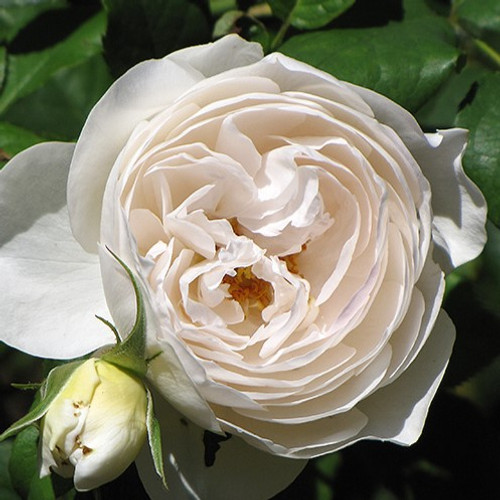
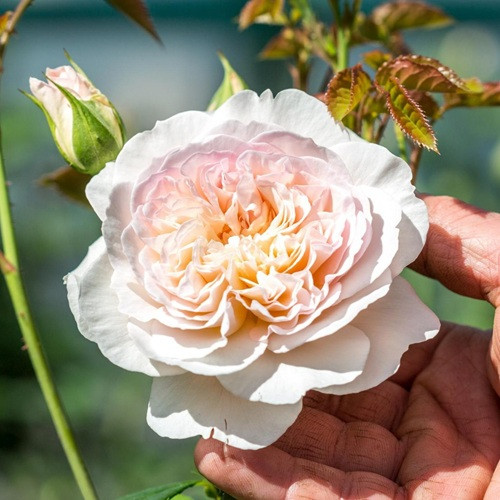
Emily Brontë Rose features showy fragrant fully double shell pink flowers with peach overtones at the ends of the branches from late spring to early fall. The flowers are excellent for cutting. It has forest green deciduous foliage. The glossy oval compound leaves do not develop any appreciable fall colour.
An outstanding shrub rose presenting fully double, soft pink and apricot blooms bearing a strong tea fragrance with hints of lemon and grapefruit; one of the few shade tolerant roses; good disease resistance; hardy with some protection.
Emily Bronte Rose is recommended for the following landscape applications;
- Mass Planting
- Hedges/Screening
- General Garden Use
Shrub Rose
English Rose - bred by David Austin
Repeat Bloomer
Fragrance Strength: Strong
Bloom Time: Summer, Fall
Attracts Butterflies
Common Name: David Austin, Old Fashion, English Rose
|
Key Feature
|
Light Needs | Landscape Uses |
 |
 |
 |
|
|
|
| More About Emily Bronte David Austin Rose |
| Height: 3-4 ft |
Spread: 3-4 ft |
Flower Colour: Pink / Apricot / White Shades |
|
Emily Brontë David Austin Rose does best in full sun to partial shade. It does best in average to evenly moist conditions, but will not tolerate standing water. To help this plant achive its best flowering performance, periodically apply a flower-boosting fertilizer from early spring through into the active growing season. It is not particular as to soil type or pH. It is highly tolerant of urban pollution and will even thrive in inner city environments. Select a site with at least 6 hours of direct sun each day. Generally roses will not flourish where their roots are in competition with the roots of other plants, especially trees and hedges. Roses will grow in a wide range of soils, but they do appreciate good soil preparation. The addition of well rotted manure or compost before planting will help to ensure strong growth. Feeding, generous mulching and occasional deep watering will help encourage strong growth and more flowers. The removal of spent flowers. It encourages repeat-flowering and makes for a tidier plant. Either remove just the dead flower or cut the stems down to the first full leaf. Note that when grown in a container, it may not perform exactly as indicated on the tag - this is to be expected. Also note that when growing plants in outdoor containers and baskets, they may require more frequent waterings than they would in the yard or garden. Be aware that in our climate, most plants cannot be expected to survive the winter if left in containers outdoors, and this plant is no exception. NOTE: Some flowers and plants may be harmful or poisonous to people or pets if touched or ingested. If you require more information before placing an order, please let us know in advance. |