


| Diervilla lonicera | USDA Zone: 3-7 |
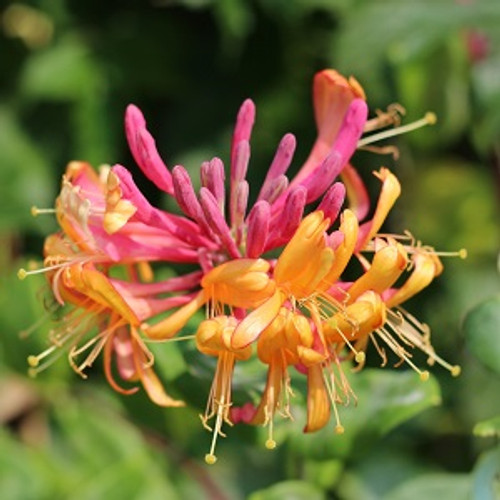
Bush Honeysuckle has attractive dark green deciduous foliage which emerges burgundy in spring on a plant with a round habit of growth. The pointy leaves are highly ornamental but do not develop any appreciable fall colour. It has lemon yellow trumpet-shaped flowers along the branches in early summer.
A durable utility shrub with bronze tinged foliage that emerges orange in spring and small yellow flowers; no particularly overwhelming ornamental features, but overall trouble-free, tolerant of adverse conditions; good in massing.
Bush Honeysuckle is recommended for the following landscape applications;
- Mass Planting
- Hedges/Screening
- General Garden Use
- Naturalizing And Woodland Gardens
Native to Ontario
Bloom Time: Summer
Fragrant
Attracts Pollinators
Attracts Butterflies, Hummingbirds
Low Maintenance
Common Name: Bush Honeysuckle, Diervilla
Other Names: Dwarf Bush Honeysuckle
|
Key Feature
|
Light Needs | Landscape Uses |
 |
 |
 |
|
|
|
| More About Bush Honeysuckle |
| Height: 5 ft |
Spread: 5 ft |
Flower Colour: Yellow Shades |
|
Use on slopes and embankments as a safe alternative to turf. These shrubs are especially lovely in a naturalized area on a hillside or rough location that needs some definition. Use them near the edge of walkways for a big visual impact. Try them as an impactful "Filler" in exterior planters. Plant one in an unexpected and amusing spot. These plants are easy to grow in a variety of soils. They are also adaptable to a variety of sun exposures. You can plant it almost anywhere, but you'll have the best foliage color in full sun. Our team has seen it perform well in shady areas that receive a bit less than 4 hours of sun a day. Provide a medium amount of water on a regular basis for best results. Mulch over the root system to keep it cool and moist. Prune in early spring to shape or shorten. Cool Splash is easily kept smaller if needed, with early trimming. Note that when grown in a container, it may not perform exactly as indicated on the tag - this is to be expected. Also note that when growing plants in outdoor containers and baskets, they may require more frequent waterings than they would in the yard or garden. Be aware that in our climate, most plants cannot be expected to survive the winter if left in containers outdoors, and this plant is no exception. NOTE: Some flowers and plants may be harmful or poisonous to people or pets if touched or ingested. If you require more information before placing an order, please let us know in advance. |