





| Physocarpus opulifolius | USDA Zone: 2-7 |
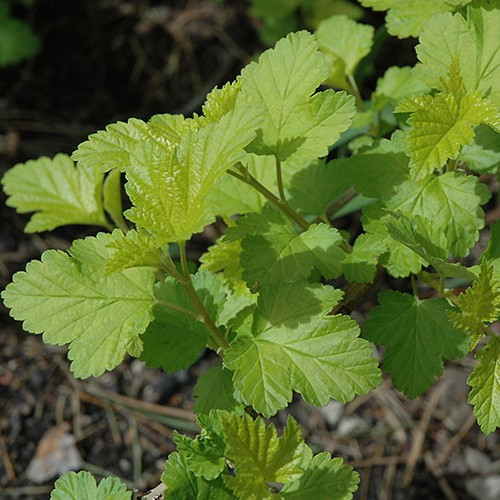
Common Ninebark features showy cymes of white flowers at the ends of the branches from late spring to early summer. It has green deciduous foliage. The serrated lobed leaves turn an outstanding coppery-bronze in the fall. It produces red capsules from early to mid fall. The peeling tan bark adds an interesting dimension to the landscape.
A wide, larger sized shrub with large leaves; features masses of attractive white flowers followed by colorful reddish fruit, and interesting peeling papery bark for winter effect; extremely tough and durable, use in massing or for screening.
Common Ninebark is recommended for the following landscape applications;
- Accent
- Mass Planting
- Hedges/Screening
- General Garden Use
Native to Ontario
Bloom Time: Spring
Attracts Butterflies, Hummingbirds
Common Name: Ninebark, Eastern Ninebark
|
Key Feature
|
Light Needs | Landscape Uses |
 |
 |
 |
|
|
|
| More About Common Ninebark |
| Height: 10 ft |
Spread: 10 ft |
Flower Colour: White Shades |
|
Common Ninebark does best in full sun to partial shade. It is very adaptable to both dry and moist locations, and should do just fine under average home landscape conditions. It is not particular as to soil type or pH. It is highly tolerant of urban pollution and will even thrive in inner city environments. Note that when grown in a container, it may not perform exactly as indicated on the tag - this is to be expected. Also note that when growing plants in outdoor containers and baskets, they may require more frequent waterings than they would in the yard or garden. Be aware that in our climate, most plants cannot be expected to survive the winter if left in containers outdoors, and this plant is no exception. NOTE: Some flowers and plants may be harmful or poisonous to people or pets if touched or ingested. If you require more information before placing an order, please let us know in advance. |


